Physical Safety
Protect yourself and your loved ones with practical physical safety strategies
Physical Safety Guidelines
Stay safe in your daily life with awareness, preparation, and smart practices
Home Security

Actionable Steps:
- Verification: If police ring your door, call 911 to verify their identity.
- Emergencies: If you smell gas or smoke, evacuate immediately and call 911.
- Install quality locks and security cameras.
- Use light timers when traveling to simulate presence.
- Keep valuables out of sight from street-level windows.
Personal Safety Outdoors
Stay Alert:
- Walk confidently and purposefully; avoid looking lost.
- Avoid isolated areas or shortcuts through dark parks/alleys.
- Share your real-time location with trusted family/friends.
- Trust your "gut" – if a situation feels off, leave immediately.
- Keep your head up and eyes off your phone while walking.
Vehicle Safety
On the Road:
- Suspicious Follower: If followed by an unknown or suspicious vehicle, drive to a police station or busy public area.
- Lock doors immediately upon entering the vehicle.
- Park in well-lit areas and have your keys ready before you reach the car.
- Always check the backseat before getting in.
Social Situations
Safe Socializing:
- Meet new acquaintances in public, well-populated places.
- Never leave your drink unattended.
- Have a pre-planned "exit strategy" if you feel uncomfortable.
Tip: Always have a backup plan and someone who knows your expected return time.
Emergency Preparedness
- Program emergency numbers and "ICE" (In Case of Emergency) contacts.
- Identify exit routes in buildings you visit frequently.
- Consider carrying a personal safety alarm or whistle.
- Maintain a basic first-aid kit in your home and car.
Situational Awareness
- Scan your environment every few minutes.
- Identify "safe spaces" (shops, stations) in your vicinity.
- Limit headphone volume so you can hear ambient noise.
- Maintain confident body language.
Remember: Your safety is the top priority. It's always better to be overly cautious than to ignore a warning sign.
Deep Dive: Explore our Deep Dive page for advanced safety measures and specific product configurations.
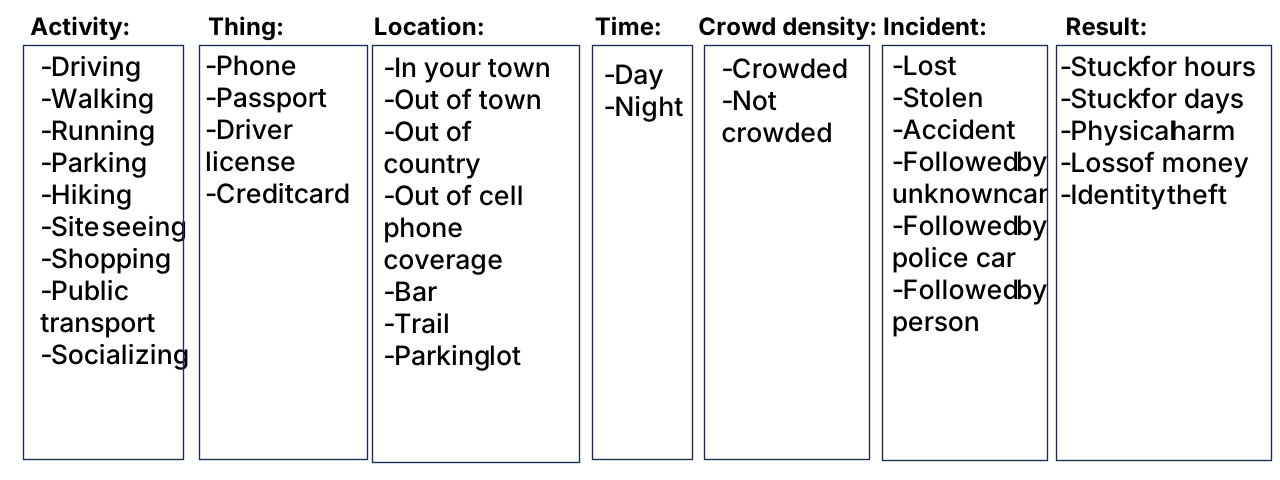
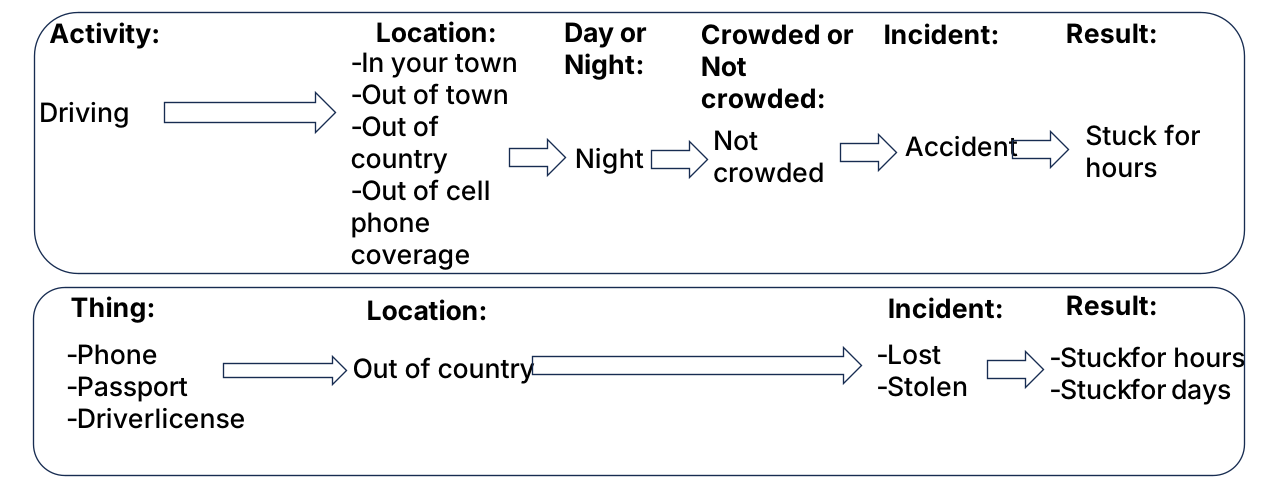
See how safety fits together
Optional visual references to explore the concepts in more detail.
References & Sources
U.S. Dept of Justice - Crime Prevention Tips justice.gov
FEMA - Personal Preparedness ready.gov
National Safety Council - Personal Safety nsc.org
U.S. Department of Justice - "Crime Prevention Tips."
justice.gov/archives/doj/crime-prevention-tips
National Crime Prevention Council - "Search for Personal Safety."
ncpc.org/topics/home-and-neighborhood-safety/personal-safety
Federal Emergency Management Agency (FEMA) - "Personal Preparedness."
ready.gov/plan
U.S. Department of Homeland Security - "If You See Something, Say Something."
dhs.gov/see-something-say-something
National Safety Council - "Personal Safety."
nsc.org/home-safety/safety-topics/personal-safety
Educational resources aggregated for public awareness. In an emergency, dial 911.